
How to Choose an LED Traffic Light Manufacturer (Factory Audit)
date:2026-07-10 01:18:37
Choosing an LED traffic light manufacturer is a procurement decision that affects road safety, project schedules and long-term maintenance cost. A signal that fails early, arrives without the right certification or cannot be serviced locally will cost far more than the saving on the unit price. The lowest quote is rarely the lowest total cost.
This checklist helps importers, contractors and traffic authorities audit a factory before placing an order. It focuses on what can be verified—documents, processes and physical capacity—rather than marketing claims.
Why the manufacturer matters more than the price
Traffic signals are safety devices. A dim LED module, a housing that cracks in cold weather or a controller that resets after a power surge can create liability, not just inconvenience. When you buy from a factory with weak quality control, the defects often appear months after installation—after the warranty conversation has already become difficult.
A reliable manufacturer reduces three risks at once: product failure in the field, shipment delays that stall a road project, and non-compliance with the destination country's standards. The audit below is how you confirm a factory can actually manage all three.
The 7-point factory audit checklist
1. Certifications and compliance documentation
Ask for the certificates relevant to your market—CE and RoHS for Europe, EN 12368 for signal heads in the EU, ITE specifications for North America, or your local national standard. Do not accept a logo on a website. Request the actual test report and confirm the certificate number with the issuing body where possible.
A manufacturer that exports regularly will have these documents organized and will understand which standard applies to your country. If a supplier is vague about which certification covers which product, treat it as a warning sign.
2. Real production capacity and factory scale
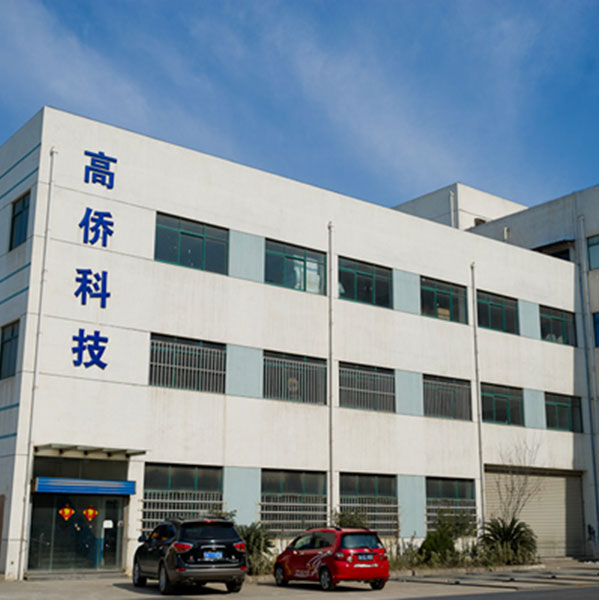
Confirm the factory manufactures in-house rather than outsourcing assembly. Ask for the factory address, production area and the main processes performed on site—SMT or LED module assembly, housing production or finishing, wiring, aging test and final inspection. A video call walk-through of the production line is a reasonable request.
Capacity matters for schedule. A factory that cannot scale to your order volume will quietly subcontract, and quality control is usually the first thing lost.
3. Quality control process
Ask how the factory tests products before shipment. A credible process includes incoming inspection of LEDs and electronic components, in-process checks during assembly, an aging or burn-in test, a waterproof test for outdoor housings and a final visual and functional inspection. Request photos or a short video of the actual test stations, not a generic statement.
Find out what happens to failed units and whether test records are kept per batch. Traceability is what lets a factory contain a defect instead of shipping it.
4. OEM and ODM engineering capability
If you need signals built to a specific voltage, size, lens type, flash pattern or national configuration, the manufacturer needs real engineering capacity—not just a salesperson who says yes. Ask whether they can customize housings, LED layouts, controllers and mounting hardware, and request an example of a previous customized project.
The difference between a trader and a manufacturer becomes obvious here. A factory with in-house engineering can adjust a design; a trader can only forward your request.
5. Lead time and MOQ flexibility
Clarify the standard lead time for your order size and the minimum order quantity. A transparent factory gives a realistic production window and explains what drives it—component stock, housing production, controller configuration or testing. Be cautious of a lead time that sounds too fast for a customized product, because it usually means corners will be cut in testing.
Also confirm how the factory handles urgent orders and repeat orders. Consistency between batches is what keeps a multi-phase road project on schedule.
6. Export experience and after-sales support
A manufacturer that ships regularly will understand export packaging, documentation, Incoterms and the logistics of your region. Ask which markets they currently serve and request a reference or a redacted bill of lading if you need reassurance.
After-sales support is where many low-cost suppliers disappear. Confirm the warranty period, how spare parts are supplied and how technical questions are handled. A factory that answers technical questions clearly before the order is far more likely to support you after it.
7. Communication and project management
Evaluate how the factory communicates during the inquiry stage. Do they answer technical questions directly, provide drawings and confirm specifications in writing? Clear written confirmation of voltage, dimensions, lens color, flash pattern and certification before production prevents the most common and most expensive disputes.
A supplier that is slow, vague or inconsistent before payment will not improve afterward.
Red flags when vetting suppliers
- Certificates shown only as images, with no test report or verifiable number.
- Unwillingness to show the production line on a video call.
- A price far below comparable factories with no clear explanation.
- Vague answers about aging tests, waterproof tests or quality records.
- No clear warranty terms or spare-parts process.
- Specifications confirmed only verbally, never in writing.
Questions to ask before you order
- Which certification covers this exact model for my country, and can I see the test report?
- What aging and waterproof tests do you perform, and are records kept per batch?
- Can you customize voltage, lens, flash pattern and controller for my project?
- What is the realistic lead time and MOQ for my order size?
- Which markets do you currently export to, and can you describe your packaging?
- What is the warranty period and how are spare parts supplied?
Traffic light manufacturer FAQ
How do I verify a traffic light factory is real?
Request the factory address and business registration, then ask for a live video walk-through of the production line. A genuine manufacturer can show assembly, aging test and inspection stations. Cross-check export records or certifications where possible.
What certifications should an LED traffic light have?
It depends on your market. Europe commonly requires CE, RoHS and EN 12368 for signal heads. North America often references ITE specifications. Always confirm the exact standard for your country and request the test report for the specific model.
Is a lower-priced manufacturer always a risk?
Not always, but a price far below comparable factories usually means reduced testing, lower-grade LEDs or thinner housings. Ask what the price includes and compare the quality control process, not just the number.
Can one manufacturer handle OEM and ODM orders?
Many established factories offer both. OEM builds your design to specification, while ODM adapts the factory's existing design to your requirements. Confirm which model fits your project and verify the factory has in-house engineering.
GAOQIAO is an LED traffic light manufacturer in Nanjing, China, with 17+ years of production experience, an ISO-certified factory and OEM/ODM service for global markets. Learn about our factory, review our certifications, or contact our engineering team to discuss your project requirements.
Always On Your Way, Always Protect You! Top Chinese Traffic Light Manufacturer: NJGQ
ur focus and advantages are: traffic light & traffic light controller, whether it is normal power or solar power, portable or mobile, normal or solar warning traffic light, all kinds of traffic signal board, as well as light poles.