
本页的完整译文正在准备中。部分内容暂以原文语言显示。
date:2024-03-13 15:03:44
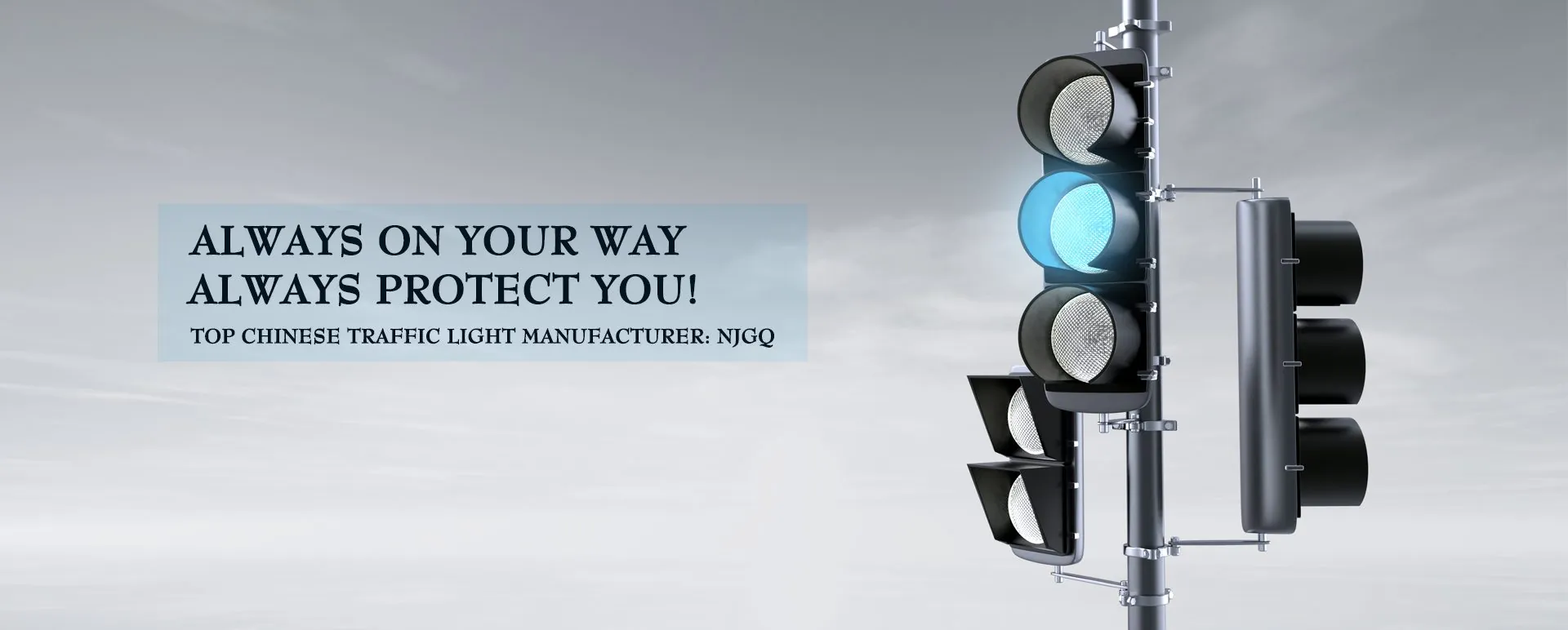
Traffic lights, also known as traffic signals or stoplights, have several key aspects:
- Signals: Traffic lights typically consist of three signals that transmit meaningful information to road users through colors. The regular traffic light colors are red, yellow (also known as amber), and green arranged vertically or horizontally in that order.
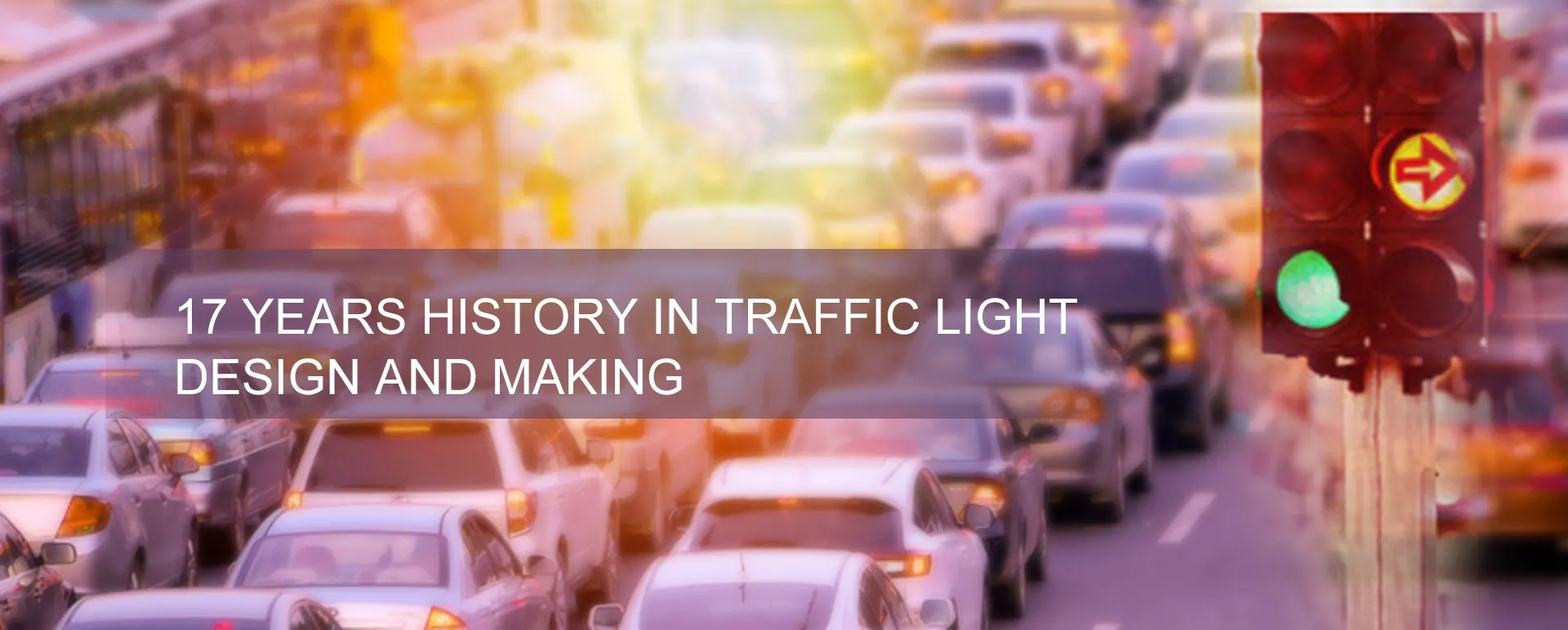
- Symbols: In addition to colors, traffic lights can also use symbols, including arrows and bicycles, to convey specific instructions.
- Components: Every traffic light system is made of three main components: the signal head, controller, and detectors. The signal head displays the red, yellow, and green lights. The controller uses information from the detectors to determine when to change the light.
- Evolution: Traffic lights have evolved from manual operation to smart systems, helping to prevent accidents and keep traffic flowing smoothly. The future of traffic lights looks bright with advancements like LED technology, countdown timers, and smart systems improving road safety and efficiency.
- History: The first system of traffic signals was installed in London in 1868. The first electric traffic light was developed by Lester Wire, a policeman in Salt Lake City, Utah, in 1912. The first four-way, three-color traffic light was created by William Potts in Detroit, Michigan in 1920.
- Variations: Although the red-yellow-green sequence is internationally standardized, variations exist on national and local scales as to traffic light sequences and laws.
How to describe a signal configuration when ordering
Separate the display from the controller
In a catalogue, an aspect often describes one illuminated indication or section of a signal head. A three-section assembly and a controller with three operating phases are different descriptions. The first concerns the physical display; the second concerns the sequence used to manage movements. A clear enquiry should specify both where relevant.
Describe the required display with a front-view sketch. Mark each position, colour and symbol, including circular indications, arrows, pedestrian figures or a countdown display. State whether several colours share one optical unit or use separate sections. This prevents a supplier from interpreting a product photograph differently from the installation team.
Turn the sketch into an equipment list
For each head, record the lens size, number of sections, mounting orientation and intended location. Keep the complete head quantity separate from spare LED modules, housings and brackets. Two quotations may use the same word “signal” while covering different assemblies, so check the bill of materials before comparing their prices.
Then identify the power supply, controller output arrangement and any countdown interface. Confirm which devices are included and which are supplied by the installer. A signal head does not establish a safe timing plan by itself; the approved project design must define which indications may operate together and how transitions are controlled.
Check the sample against the drawing
Compare the sample’s visible arrangement, labels, dimensions and connections with the agreed drawing revision. Record any change to symbols or section order before authorising production. Keeping one approved configuration sheet with the order helps the installer, purchasing team and spare-parts team identify the same equipment later.
始终与你同行,始终守护你!中国领先交通信号灯制造商:NJGQ
我们的重点与优势包括:交通信号灯及控制机,涵盖常规供电或太阳能供电、便携式或移动式产品、普通或太阳能警示灯、各类交通信号指示板以及灯杆。
相关指南:信号灯基础知识
继续阅读这些相关资料,为您的交通信号项目提供参考。